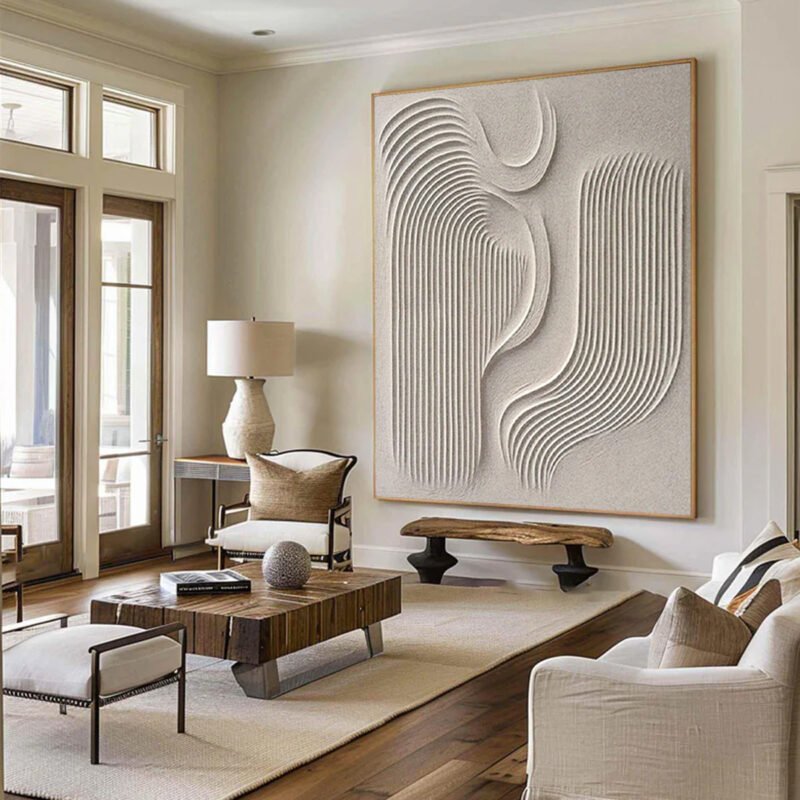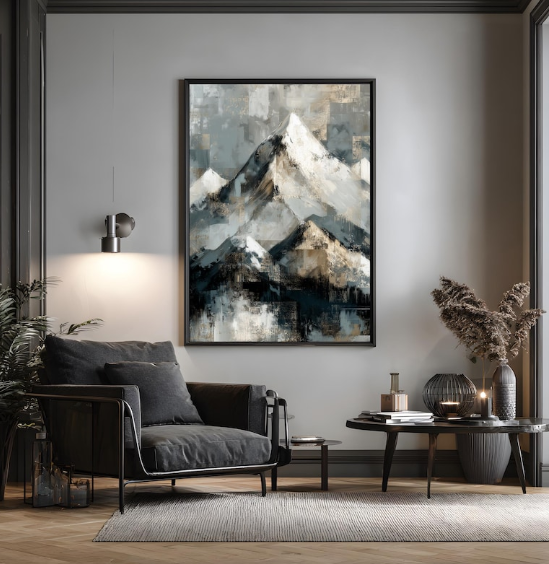
When an Impressionist Oil Painting hits like jazz on canvas, it’s not décor—it’s an asset humming with history, rarity, and bragging rights.
An Impressionist Oil Painting hits like jazz on a summer night—loose, bright, a little rebellious. Buyers aren’t chasing paint alone; the chase is mood, memory, and bragging rights that don’t fade with trends.
Value lives where rarity meets trust.
That’s why collectors lean in. History, artist reputation, condition, and paper trails decide price tags. Miss one, and the magic slips. Nail them, and the canvas stops being décor and starts acting like an asset.
Reading Notes: Impressionist Oil Painting Essentials
➔ Light and Color Mastery: Broken brushwork and complementary hues capture fleeting sunlight, defining the Impressionist palette.
➔ Texture and Movement: Impasto layers and expressive strokes bring depth, guiding the viewer’s eye across dynamic compositions.
➔ Authentication Checklist: Verify provenance certificates, condition reports, and exhibition history to secure trust and value.
➔ Market Drivers: Originals by Monet, Renoir, Degas, Pissarro command premium prices, while reproductions stay decorative.
Screenshot 2026 04 16 110929 914
How Does Light Define Impressionist Oil Painting?
Light is the heartbeat of Impressionist Oil Painting. From soft morning glow to blazing noon sun, artists shape mood, depth, and motion through color, texture, and instinctive brushwork.
Capturing Sunlight: Claude Monet’s Vibrant Color Theory
In Impressionist Oil Painting, sunlight is not copied; it’s translated through sharp observation and smart color theory.
- Understanding light through color
1.1 Use of broken color
- Short strokes placed side by side
- No heavy blending
- Natural optical mixing in the viewer’s eye
1.2 Smart pigment choice
- High-chroma yellows and blues
- Complementary contrasts for stronger light perception
- Tools shaping radiance
2.1 Brush over blending
2.2 Occasional palette knife accents for sharper highlights
This method defines much of Oil Painting in the Impressionist style. At Nuvia Art, collectors often note how such techniques make each Impressionist Oil Painting feel alive, almost shifting as daylight changes.
Atmospheric Perspective in Seascapes and Landscapes
Distance in Impressionist Oil Painting feels airy, never stiff. Artists adjust color temperature, soften edges, and let atmospheric effects take control.
- Cooler blues and violets suggest distant forms.
- A faded horizon line blurs into haze or mist.
- Subtle tonal shifts improve depth perception.
Step by step, foreground tones stay warmer, middle ground softens, and background dissolves. That flow gives Impressionist painting its breezy charm. It’s a vibe collectors at Nuvia Art keep coming back for.
The Role of Impasto and Brushwork in Light Effects
Texture changes everything in Impressionist Oil Painting.
- Building surface through impasto technique
1.1 Thick paint application
1.2 Raised ridges creating real light reflection
- Expressive control
2.1 Loose brushstroke variation
2.2 Energetic marks boosting visual energy
2.3 Rough surface texture catching shadows
When light hits those peaks of oil paint medium, highlights sparkle naturally. That physical depth separates an average canvas from a striking Impressionist Oil Painting.
Textural Richness: Oil on Canvas and Dynamic Composition
Every Oil Painting relies on material truth. The canvas texture grips the oil paint medium, shaping final surface quality.
• Balanced compositional balance keeps brightness from overwhelming the eye.
• Repeated strokes build visual rhythm.
• Diagonal lines introduce dynamic movement.
Long sweeps guide attention across water, sky, and street scenes, while thicker strokes anchor the focus point. This mix of control and spontaneity defines Impressionist art. At Nuvia Art, that balance between structure and freedom is exactly what makes each Impressionist Oil Painting stand out without trying too hard.
4 Key Provenance Documents Every Buyer Must Verify
Buying an Impressionist Oil Painting feels exciting, but paperwork is where real confidence kicks in. From classic oil painting records to French art sales files, each document protects your investment and keeps your Impressionist artwork legit.
Provenance Certificate for Original Painting
When acquiring an Impressionist Oil Painting, start with the Certificate of Authenticity. No shortcuts here.
- Core Identity Verification
1.1 Artwork Identification
- Confirm title, size, and Medium Used (oil on canvas, oil on panel).
- Match details with catalogue raisonnés for Impressionist art.
1.2 Artist’s Signature
- Inspect placement and style.
- Cross-check against archived signature samples.
1.3 Date of Creation
- Confirm alignment with the artist’s known active years.
- Institutional Validation
2.1 Gallery Stamp
- Authentic gallery marks add credibility.
2.2 Archival References
- Link the Impressionist oil painting to documented sales or exhibitions.
- Market Relevance
- A clean certificate boosts buyer trust.
- It supports long-term value growth for oil paintings in the Impressionist style.
At Nuvia Art, every Impressionist Oil Painting is backed by carefully reviewed authentication records, so buyers aren’t left guessing.
Condition Report Detailing Restoration History
A detailed Condition Report tells the real story of an Impressionist oil painting.
Step 1: Assess the Physical Condition
Look for cracks, varnish discoloration, or canvas slack.
Step 2: Review Restoration Records
- Past Conservation Treatments
- Notes on Previous Repairs
- Any structural lining or relining
Step 3: Examine Material Analysis
Pigment testing and canvas fiber review confirm period accuracy.
Step 4: Evaluate Damage Assessment
Small touch-ups are normal. Heavy repainting? That affects value.
• Minor cleaning is routine.
• Overpainting lowers authenticity weight.
• Structural damage needs expert review.
A solid report protects both financial value and historical integrity of your Impressionist artwork.
Exhibition History and Signed Artwork Records
Proven exhibition exposure builds serious credibility for an Impressionist Oil Painting.
- Public Visibility
1.1 Exhibition Catalogues
- Confirm listing details and reproduction images.
1.2 Exhibition Dates
- Ensure timeline consistency with Artwork Provenance.
- Institutional Engagement
2.1 Gallery Exhibitions
- Established galleries signal market acceptance.
2.2 Museum Loans
- Museum-backed loans elevate prestige.
- Scholarly Context
3.1 Curatorial Notes
- Academic commentary strengthens art historical placement.
The Art Basel & UBS Art Market Report 2025 noted that works with documented exhibition history and clear provenance achieved stronger buyer confidence and greater liquidity in secondary markets.
Signed records tied to exhibitions anchor the oil painting within verified art history, not just private sales chatter.
Documentation of Ownership Transfers and French Art Sales
Clear ownership is non-negotiable when buying an Impressionist Oil Painting.
- Transaction Proof
- Bill of Sale confirming legal purchase
- Archived Auction Records from reputable houses
- Ownership Timeline
2.1 Full Ownership History
- Private collectors
- Dealers
- Estates
2.2 Verified Legal Transfers
- Ensure no disputes or inheritance claims
- Market Context
3.1 Documented Art Market Transactions
3.2 Records tied to the French Art Market, especially for classic Impressionist oil works originating in France
Short gaps in paperwork can raise red flags. Clean transfer chains keep the Impressionist oil painting investment-grade.
Nuvia Art supports buyers by verifying French art sales trails and ensuring every Impressionist artwork comes with transparent, traceable documentation.
Original vs. Reproduction: Value Gap
An Impressionist Oil Painting can look similar to its copy at a glance, yet the gap in value is huge. Once you break down Impressionist, Oil, and Painting as separate ideas—style, medium, and object—the difference gets real. An original Impressionist oil painting carries weight; a reproduction mostly carries color.
Original Painting
When judging an original Impressionist Oil Painting, value builds in layers:
- Core Identity
- Artist’s Hand
- Visible pressure shifts in brushwork
- Spontaneous gestures shaped by Artistic Vision
- Unique Brushstrokes
- Thick ridges of pigment
- Light captured through broken color
- Artist’s Hand
- Material Truth
- Material Authenticity
- Aged oil layers
- Natural varnish patina
- Physical depth you can actually feel
- Material Authenticity
- Historical Weight
- Provenance
- Documented ownership records
- Auction or gallery listings
- Historical Significance
- Exhibition history
- Critical references
- Provenance
An oil painting in the Impressionist style, when original, becomes more than décor. It is a lived object. According to the Art Basel & UBS Art Market Report 2025, global collectors continue to prioritize works with verified provenance and artist attribution, noting sustained demand for authenticated historical pieces. That demand directly boosts the market strength of an authentic Impressionist Oil Painting.
Reproduction
A reproduction of an Impressionist Oil Painting may look close, but the build tells another story.
- Created through Mass Production
- Often a Printed Medium on canvas
- Result of a Mechanical Process
- Surface
- Flat pigment layer
- No real impasto
- Authorship
- Lack of Originality
- No direct link to the Artist’s Hand
★ Accessible price point
★ Decorative flexibility
★ Easy replacement
This kind of Impressionist painting in oil form works great for mood and color. It’s a Derivative Work, designed for Accessibility, not long-term collecting. It fills a wall nicely, sure. But it doesn’t carry the material history or investment pull of a true Impressionist Oil Painting.
Which Impressionist Artists Drive Market Demand?
Collectors still get excited about Impressionist Oil Painting. Not just for museum buzz, but for real market heat. From iconic oil painting masters to rising demand for Impressionist art works, buyers keep circling back to familiar names that feel both classic and fresh.
Claude Monet and the Rise of Modern Art
When people talk about Impressionism, the name Claude Monet lands fast. His work doesn’t just hang on walls; it drives auctions, private sales, and demand for museum-grade Impressionist Oil Painting.
- Core Market Drivers Behind Monet’s Strength
- Series-Based Collecting
- Water Lilies
- Large-scale canvases dominate institutional demand
- Late-period works command premium pricing
- Haystacks Series
- Seasonal light variations increase comparative value
- Rouen Cathedral Series
- Architectural subject appeals to cross-category collectors
- Technical Innovation
- Mastery of Light and Color
- Layered brushwork defining oil painting technique
- Historical Position
- Central figure in Modern Art transition
- Series-Based Collecting
- Museum Validation
- Auction Performance
- Private Blue-Chip Acquisitions
Monet’s influence flows into today’s high-end decorative oil painting market as well. Designers echo his broken brushwork in contemporary Impressionist Oil Painting commissions.
According to the Art Basel & UBS Art Market Report 2025:
“Blue-chip Impressionist works continue to anchor confidence in the global art market, particularly among high-net-worth collectors seeking long-term stability.”
That stability is exactly why platforms like Nuvia Art reference Monet-inspired palettes when advising collectors on museum-style oil painting acquisitions. His legacy still shapes buying behavior. Not in theory. In real numbers.
Pierre-Auguste Renoir’s Emotional Impact in Portraits
Warmth sells. And Pierre-Auguste Renoir understood that instinctively.
- Emotional Triggers in Renoir’s Market Appeal
- Social Energy
- Bal du moulin de la Galette
- Crowded joy
- Movement without chaos
- The Luncheon of the Boating Party
- Casual elegance
- Collectible narrative depth
- Technical Signature
- Soft Flesh Tones
- Radiant surface texture
- Buyer Psychology
- Desire for a Joyful Atmosphere
- Emotional Impact in domestic interiors
- Social Energy
• Color that feels alive
• Faces that feel familiar
• Scenes that feel human
Renoir’s Portraits often outperform less personal subjects because collectors want connection. An oil painting that feels warm tends to stay relevant across generations.
Short observations make it clearer:
The brushwork feels soft.
The mood feels social.
The subject feels close.
That intimacy strengthens demand for Renoir-style Impressionist Oil Painting commissions in luxury residential spaces. Emotional resonance converts interest into purchase. Fast.
Screenshot 2026 04 16 110929 914
Edgar Degas: Genre Scenes with Textural Richness
The market doesn’t only reward sunshine. Structure matters too. That’s where Edgar Degas stands out.
- Structural Market Appeal of Degas
- Subject Focus
- Ballet Dancers
- Backstage realism
- Repetition of pose and rehearsal studies
- The Absinthe Drinker
- Urban solitude
- Psychological tension
- Medium Innovation
- Use of Pastel Medium
- Layering for Textural Richness
- Composition Strategy
- Cropped viewpoints
- Strong diagonal framing
- Controlled Movement and Form
- Subject Focus
- Collectors drawn to technical discipline
- Institutions valuing experimental composition
- Cross-interest buyers from photography and design
Degas expands the idea of what an Impressionist Oil Painting can be. Less softness. More edge.
His genre scenes attract buyers who want narrative weight. Not just pretty gardens. Urban life. Rehearsal fatigue. Café silence.
That variation keeps demand steady. It also widens the audience for fine art oil painting collectors who want depth over decoration.
Berthe Morisot and Camille Pissarro in 19th Century Art
The market conversation has shifted. Recognition of overlooked voices in 19th Century Art is no longer niche; it’s gaining traction.
- Expanding Demand Drivers
- Berthe Morisot
- Perspective
- A distinct Feminine Perspective inside bourgeois interiors
- Subject Focus
- Family scenes
- Quiet moments of Everyday Life
- Market Impact
- Rising institutional retrospectives
- Growing scholarly attention
- Camille Pissarro
- Rural and Urban Landscapes
- Agricultural labor
- Expanding city streets
- Social Dimension
- Subtle commentary on Societal Norms
- Stylistic Influence
- Foundation for Post-Impressionist shifts
- Berthe Morisot
✓ Broader representation fuels new collectors
✓ Museums drive reassessment
✓ Auction houses respond with curated focus sales
Morisot’s light handling feels intimate. Pissarro’s fields feel grounded. Together, their contributions stretch what Impressionism means in today’s collecting circles.
For buyers exploring high-quality Impressionist Oil Painting acquisitions, these artists signal cultural awareness along with aesthetic taste. That mix matters.
Nuvia Art highlights this shift by showcasing works inspired by both rural Impressionist art traditions and interior domestic themes, aligning with current collector curiosity.
In the end, market demand doesn’t revolve around one star. It forms around legacy, innovation, emotional pull, and evolving cultural values. From Claude Monet to Berthe Morisot, the names driving interest in oil painting today still trace back to the bold spirit of Impressionism.
Insecure About Restoration? Conservation Tips for Oil Paintings
An Impressionist Oil Painting carries more than color; it holds light, movement, and a bit of history. When your Impressionist oil art starts looking tired, panic is normal. Relax. With smart care and the right pros, your Impressionist Oil Painting can stay bright, stable, and authentic for years.
Safe Cleaning Practices to Preserve Vibrant Colors
Caring for an oil painting in the Impressionist painting tradition calls for patience and respect for pigment stability.
- Surface Care
- Assess visible surface dirt under soft light.
- Avoid random household cleaning methods.
- Test tiny areas with approved gentle solvents only if trained.
- Color Protection
- Monitor shifts in tone that threaten color preservation.
- Keep records of prior conservation techniques used on the Impressionist Oil Painting.
- Professional Input
- Request a condition check before any deep clean.
- Choose studios familiar with oil painting Impressionist style works.
A quick dust-off might feel harmless, but rough cloth fibers can disturb delicate brushwork. Slow and steady wins here.
Stabilizing Canvas: Preventing Cracks and Paint Loss
Your canvas support is the backbone of any Impressionist Oil Painting. When temperature fluctuations and poor humidity control creep in, cracking and paint flaking follow.
Keep things steady:
- Maintain relative humidity around museum standards.
- Avoid hanging near vents or direct sun.
- Schedule inspections to protect structural integrity.
If sagging appears, ask about lining techniques rather than DIY fixes.
| Factor | Ideal Range | Risk if Ignored |
|---|---|---|
| Humidity | 45–55% | Paint flaking |
| Temperature | 18–21°C | Cracking |
| Light Exposure | <150 lux | Pigment fading |
Brands like Nuvia Art often advise collectors to log environmental data for each Impressionist Oil Painting. It sounds nerdy, but it works.
Working with Experts: Authenticity and Provenance Checks
An authentic Impressionist Oil Painting deserves careful art authentication and clear provenance research.
- Documentation
- Gather historical documentation and past sales records.
- Secure updated condition reports before restoration.
- Specialist Review
- Seek expert appraisal from qualified historians.
- Confirm artist attribution through technical analysis.
- Screen for red flags tied to forgery detection.
When restoration aligns with solid provenance, value holds steady. Nuvia Art connects collectors with vetted professionals who respect both the artwork and its story. That balance keeps your Impressionist Oil Painting, and your peace of mind, intact.
FAQs about Impressionist Oil Painting
What makes an Impressionist Oil Painting valuable to collectors?
An Original Painting from the height of 19th Century Art carries the artist’s living touch. In Impressionism, value grows from both history and feeling:
- Provenance and clear Exhibition History anchor the work in documented Art History.
- A visible signature from Claude Monet, Pierre-Auguste Renoir, or Edgar Degas strengthens identity and rarity.
- Expressive Brushwork, layered Impasto, and hand‑applied Oil on Canvas create texture no reproduction can echo.
A strong Condition Report and well‑preserved surface protect not just price, but the emotional pulse of the piece.
How do light and brushwork create emotional impact in Impressionism?
In French Art of the Belle Époque, light was not background—it was the subject. Through broken Brushwork and daring Color Theory, artists shaped:
- Fleeting sunlight across a Seascape by Alfred Sisley.
- Soft skin tones in a Portrait by Berthe Morisot.
- Moving crowds within a Genre Scene by Edgar Degas.
Short strokes and touches of Palette Knife build Vibrant Colors, subtle Atmospheric Perspective, and a true Sense of Movement. The result feels immediate, intimate, and alive—far from the restraint of Realism or Romanticism, yet foundational to Modern Art.
Screenshot 2026 04 16 110910 132
What should I verify before purchasing an Impressionist Oil Painting?
Before committing, pause and review the human story behind the canvas.
✓ Confirm documented Provenance and ownership transfer records.
✓ Request a recent Condition Report noting restoration or paint loss.
✓ Check for a Signed Artwork and links to galleries or past exhibitions.
✓ Ensure the work aligns stylistically with Impressionism rather than Post-Impressionism or Expressionism.
A carefully vetted Original Painting—well preserved, properly framed as Framed Art, and historically grounded—offers both aesthetic joy and lasting confidence.