Turn fleeting photos into forever feels with a custom portrait canvas artwork that stares back, laughs back, and loves you right off the wall.
A photo lives on your phone. A custom portrait canvas artwork lives on your wall—and in your gut. It’s the difference between scrolling past a memory and stopping in your tracks because Grandma’s laugh, your dog’s crooked grin, or that wedding-day glance is staring back at you in brushstrokes. People don’t order portraits for decoration. They order them because time moves fast and memories don’t always play fair.
“Collectors today want story over stock,” says a senior designer at Nuvia Art in a 2025 client trends briefing, pointing to rising demand for heirloom-style commissions. The Art Basel & UBS Art Market Report 2025 echoes it: buyers are leaning into personalized, emotionally anchored pieces over mass-produced décor.
Still, doubts creep in—Will it look like us? Is it worth the price? That tension is real. This guide cuts through the noise, so your walls don’t just look good—they mean something.
Why Choose a Custom Portrait Canvas Artwork?
A custom portrait canvas artwork turns a simple photo into something you actually feel every time you walk by. From canvas portrait details to painting style choices, this kind of custom canvas art blends personality, craft, and lasting value in one solid piece.
Personalization Through Medium and Style
A custom portrait canvas artwork starts with choice. Not random choice—smart, thoughtful personalization built around your story and your creative expression.
- Choosing the Right Artistic Medium
- Oil
- Deep texture
- Slow drying for soft blending
- Ideal for classic portrait painting
- Acrylic
- Crisp edges
- Bold color retention
- Works great for modern custom canvas artwork
- Watercolor
- Light transparency
- Gentle layering
- Soft visual aesthetic
- Charcoal
- Strong contrast
- Raw emotion
- Minimalist portrait art feel
- Oil
- Defining the Painting Style
- Realistic
- True-to-life tones
- Natural skin shading
- Impressionistic
- Visible brush strokes
- Mood-driven color
- Modern
- Simplified shapes
- Creative background edits
- Realistic
- Artwork Customization Options
- Background color shifts
- Pose adjustments
- Single, couple, family, or pet layout
- Canvas size scaling for wall balance
When people order a custom portrait canvas artwork, they’re not just buying wall décor. They’re shaping a visual identity. At Nuvia Art, the goal is simple—make your custom portrait feel like it belongs in your home, not in a catalog.
Capturing Every Detail with Photorealistic Techniques
A strong photorealistic portrait depends on precision art and patience. It’s about realistic rendering, not filters.
Here’s how detailed artwork comes together:
- Skin tone layering for smooth gradients
- Micro-adjustments in light reflection
- Fabric texture refinement
- Hair strand mapping for fine detail
Process flow:
- High-resolution reference analysis
- Tonal mapping for visual accuracy
- Gradual color building for high fidelity depth
- Controlled highlight and shadow balance
The result? A custom portrait canvas artwork that looks alive without feeling stiff. That’s the sweet spot.
“Personalized wall art continues to show strong consumer demand, particularly in premium canvas formats,” noted IBISWorld’s 2025 Home Décor Market Outlook, pointing to steady year-over-year growth in customized art purchases.
For child portraits, couple canvas portraits, or ancestor recreations, high fidelity matters. A well-executed custom canvas art piece captures the slight smile, the calm eyes, the tiny details you’d hate to lose.
Short version: detail builds emotion. Emotion builds value.
Lasting Value of Linen and Primed Surfaces
A custom portrait canvas artwork isn’t complete without the right base. The linen canvas and primed surface decide how long your portrait painting actually lasts.
- Canvas Material Comparison
| Canvas Material | Fiber Strength (MPa) | Average Lifespan (Years) | Texture Grade (1–5) |
|---|---|---|---|
| Cotton | 287 | 20–40 | 3 |
| Polyester Blend | 310 | 30–50 | 2 |
| Standard Linen | 500 | 50–70 | 4 |
| Belgian Linen | 620 | 70–100 | 5 |
| Synthetic Panel | 450 | 40–60 | 1 |
- Surface Preparation Layers
- Raw fabric tensioning
- Dual surface preparation gesso coats
- Fine sanding between layers
- Final seal for art preservation
- Structural Finishing
- Gallery-wrapped stretch
- Warp-resistant framing
- Protective varnish for artwork durability
- Ready-to-hang mounting
A premium primed surface locks in pigment. Strong archival quality materials protect color vibrancy for decades. That’s not hype—it’s material science.
So when someone invests in a custom portrait canvas artwork, they’re not just getting a canvas portrait. They’re getting longevity, stability, and a piece designed to stay sharp long after trends fade.
Materials 101: Cotton vs. Polyester Canvas
Choosing the right base matters when creating custom portrait canvas artwork. The fabric under the paint shapes texture, color depth, and long-term durability. Let’s break down cotton and polyester in a real-world way.
Cotton Canvas
When planning a custom portrait canvas artwork, material choice affects how the final portrait canvas feels and ages.
- Fiber Foundation
1.1 Source
- Made from natural fiber, cotton offers a soft, breathable base.
1.2 Surface Feel
- Noticeable texture gives character to custom canvas artwork.
1.3 Absorption
- Highly absorbent, allowing paint to sink in and bond well.
- Performance in Portrait Work
2.1 Paint Handling
- Ideal for oil and acrylic due to strong archival quality when primed.
2.2 Visual Depth
- Slight weave visibility adds warmth to portrait on canvas pieces.
2.3 Weight Options
- Available in varied weight, influencing flexibility and durability.
- Practical Considerations
3.1 Studio Use
- Easy to stretch for custom portrait canvas artwork.
3.2 Environment
- As a natural fiber, it reacts to humidity more than synthetics.
3.3 Budget
- Often affordable, making large portrait canvas artwork projects realistic.
Cotton feels classic. If you like visible grain and organic vibes in your custom portrait canvas artwork, this one just hits right.
Polyester Canvas
Polyester shifts the mood. It’s built from synthetic fiber, engineered for stability and a uniform weave that looks clean and tight.
- Smooth, almost sleek smooth surface
- Strong internal strength under tension
- Noticeably lightweight for shipping larger custom canvas artwork
1) Structure & Stability
Polyester resists stretching thanks to higher tensile strength. That means less sagging over time.
2) Climate Response
Its water-resistant nature helps in humid rooms. Good news for detailed portrait on canvas displays.
3) Visual Finish
Because of its fade resistance, colors in custom portrait canvas artwork stay sharp longer.
★ Quick takeaway:
Cotton equals organic warmth. Polyester equals precision and control.
For bold, high-detail custom portrait canvas artwork in modern spaces, polyester keeps lines crisp and the surface steady.
3 Key Factors in Portrait Canvas Pricing
Pricing a custom portrait canvas artwork isn’t random. It reflects material choices, time, skill, and finishing details. When you order a custom portrait canvas artwork, every layer—from paint type to canvas quality—shapes the final cost and overall value.
Artwork Medium Selection
When pricing a custom portrait canvas artwork, the chosen medium directly affects labor time, drying cycles, and artistic complexity.
- Medium Categories
- Traditional Paints
- Oil:
- Slow drying, layered blending, richer depth
- Requires sealing and curing time
- Acrylic:
- Faster drying
- Flexible for bold textures or smooth gradients
- Oil:
- Dry & Soft Media
- Watercolor:
- Light, transparent finish
- Sensitive to paper-to-canvas adaptation
- Pastel and charcoal:
- Soft transitions
- Require fixatives for longevity
- Watercolor:
- Modern Approaches
- Digital base with hand-finished details
- Mixed media combining paint and photography
- Traditional Paints
- Cost Influence Factors
- Time Investment
- Layering cycles (especially oil)
- Correction difficulty
- Surface Compatibility
- Need for additional gesso
- Priming for texture retention
- Artist Expertise
- Skill in blending skin tones
- Style complexity
- Time Investment
| Medium Type | Avg. Drying Time | Typical Labor Hours | Relative Cost Index |
|---|---|---|---|
| Oil | 5–14 days | 18–25 hrs | High (4/5) |
| Acrylic | 1–2 days | 12–18 hrs | Medium (3/5) |
| Watercolor | 24 hrs | 10–16 hrs | Medium (3/5) |
| Mixed Media | 3–7 days | 20–28 hrs | High (5/5) |
At Nuvia Art, clients choosing custom portrait canvas artwork often lean toward oil for heirloom-style depth, while modern homes favor textured acrylic portrait canvas art.
Canvas Type and Quality
A custom portrait canvas artwork is only as strong as the surface beneath it. Material quality quietly drives durability and price.
- Fabric Composition
- Cotton
- Affordable
- Smooth grain
- Linen
- Stronger fibers
- Longer lifespan
- Higher cost
- Cotton
- Construction Format
- Stretched Canvas
- Mounted on wooden bars
- Ready to hang
- Rolled Canvas
- Shipped in tube
- Requires framing
- Gallery wrap
- Image extends around edges
- Clean, frame-free display
- Stretched Canvas
- Surface Preparation
- Priming
- Multiple coats of gesso
- Improves paint adhesion
- Preservation
- Archival coating
- Acid-free backing
- Finish
- Matte or gloss varnish
- UV protection
- Priming
Premium linen with deep stretched bars and archival sealants increases the value of portrait canvas artwork because it prevents sagging and yellowing over time. A well-prepared custom canvas portrait simply lasts longer and looks sharper year after year.
Customization and Artist Services
The creative process behind custom portrait canvas artwork involves more than brushwork. Service layers shape pricing just as much as materials.
- Subject Planning
- Subject Selection
- Single figure
- Couple or family
- Background Adjustments
- Neutral studio tone
- Scenic landscape
- Style Direction
- Realistic
- Impression-inspired
- Subject Selection
- Design Specifications
- Size Choice
- 12×16 inches
- 24×36 inches
- Composition Layout
- Centered bust
- Full-body pose
- Add-ons
- Custom framing
- Handwritten dedication
- Size Choice
- Collaboration Process
- Initial consultation
- Discuss vision
- Confirm timeline
- Sketch Preview
- Digital mockup
- Placement approval
- Revisions
- Minor color shifts
- Pose refinements
- Initial consultation
More subjects and complex background scenes increase detail hours. Larger size means more paint and longer drying cycles. Extra revisions stretch production time.
Clients ordering a personalized painted portrait through Nuvia Art often say the steady communication makes the investment feel worthwhile. A thoughtfully crafted custom portrait canvas artwork isn’t just décor—it’s a memory made tangible, built layer by layer with intention.
Pain Point: Portrait Too Dark? Color Correction Tips
When your custom portrait canvas artwork turns out darker than expected, it can feel like a letdown. The good news? With smart color tweaks and better proofing, your portrait canvas can glow with life again.
Optimizing Your Color Palette
Balancing light in custom portrait canvas artwork starts with understanding how color theory and color balance shape the mood. If shadows feel heavy, midtones usually need attention.
- Adjusting core elements
- Midtones
- Lift brightness slightly to soften dark patches.
- Increase contrast carefully so highlights don’t blow out.
- Highlights
- Refine hue temperature to avoid gray skin.
- Improve saturation in small increments for natural warmth.
- Midtones
- Background and subject harmony
- Check color harmony between clothing and backdrop.
- Avoid muddy overlap by separating tones through subtle contrast shifts.
- Review the portrait canvas under natural daylight.
- Compare skin tones against real-life reference shots.
- Fine-tune digital sliders before approving the custom canvas portrait.
At Nuvia Art, designers often correct shadow-heavy canvas artwork by recalibrating hue layers instead of over-brightening the entire frame. That keeps your custom portrait canvas artwork vibrant without losing depth. Small moves. Big difference.
Ensuring Accurate Digital Proofs
A flawless custom portrait starts long before printing. It begins on-screen with proper color calibration and reliable monitor settings.
- Technical checks
- Device alignment
- Use updated ICC profiles for consistent output.
- Run soft proofing tools before export.
- File preparation
- Confirm high resolution for facial detail.
- Use print-based print preview modes.
- Device alignment
- Client review process
- Zoom into facial highlights.
- Compare side-by-side lighting versions.
- Approve only after verifying overall color accuracy.
Recent consumer research backs this up:
Deloitte’s 2025 Global Retail Outlook notes that over 60% of buyers expect personalized products to match digital previews with “near-exact color accuracy,” ranking visual fidelity as a top satisfaction driver.
That expectation matters when ordering custom portrait canvas artwork. Nuvia Art encourages clients to review calibrated proofs carefully so the final portrait canvas doesn’t surprise you in a bad way. A few extra minutes reviewing your custom portrait can save weeks of regret.
Finishing with a Protective Varnish
Even the best personalized portrait art can look dull without the right finish. Protective coatings enhance depth while preserving archival quality.
- Choosing the right varnish type
- Gloss finish
- Boosts richness and increases perceived saturation.
- Matte finish
- Reduces glare while maintaining color balance.
- Gloss finish
- Protection benefits
- Adds UV protection against fading.
- Improves long-term durability.
- Strengthens surface resistance through proper application technique.
- Final inspection checklist
- Ensure even coating under angled light.
- Confirm no shift in brightness.
- Allow full curing time before display.
A well-sealed custom portrait canvas artwork not only looks richer, it stays that way. At Nuvia Art, finishing touches are treated as seriously as brush strokes, so your portrait canvas artwork keeps its glow for years. Custom portrait canvas artwork deserves that extra care.
Hanging Tips: Portrait Placement in Your Home
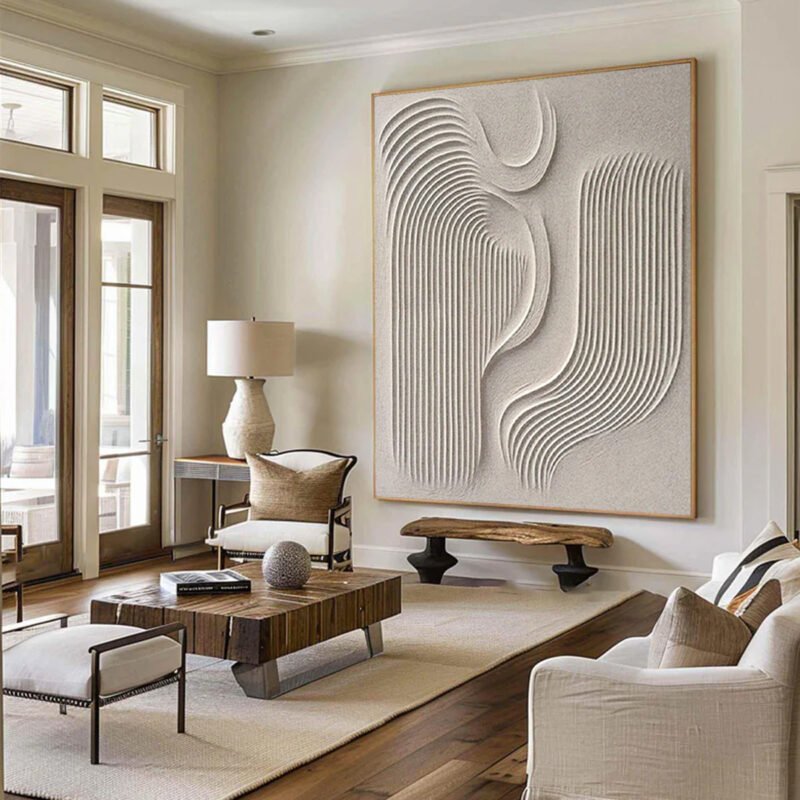
A custom portrait canvas artwork deserves more than a random nail in the wall. The right wall, smart artwork height, and thoughtful illumination can turn a simple room into a space that feels personal and alive. Here’s how to show off your custom portrait canvas artwork like it truly belongs there.
Choosing the Right Wall and Space
When placing a custom portrait canvas artwork, start by reviewing your room layout and natural traffic flow. A strong focal point keeps the eye steady and avoids visual chaos.
- Look for a clear wall with minimal clutter.
- Match the artwork size to open space, not leftover gaps.
- Keep harmony with existing room decor.
Now break it down:
- Living Areas
- Above the sofa
- Center the custom canvas portrait to anchor the seating area.
- Keep at least 6–8 inches above furniture for breathing room.
- Feature gallery wall
- Pair your custom portrait canvas artwork with smaller frames.
- Balance colors for smooth visual balance.
- Above the sofa
- Bedrooms
- Above the bed
- Choose calming tones to suit the room vibe.
- Side wall near reading chairs
- Smaller portrait canvas artwork fits cozy corners.
- Above the bed
- Hallways
- Maintain clear traffic flow.
- Select vertical orientation to elongate narrow space.
Brands like Nuvia Art design each custom portrait canvas artwork with sizing options that make wall pairing simple and stress-free.
Height and Orientation Best Practices
The golden rule? Hang at eye level, around 57–60 inches from floor to center. That’s ideal artwork height for average viewing distance in most homes.
Consider structure:
- Orientation
- Portrait layout suits single-subject custom portrait canvas artwork.
- Landscape orientation works for family scenes.
- Furniture Alignment
- Align center with couch or console for strong visual balance.
- Keep spacing tight to support furniture placement logic.
- Proportion Check
- Artwork should cover about two-thirds the width of furniture beneath it.
- Adjust slightly based on viewing distance.
A well-sized custom canvas portrait from Nuvia Art removes guesswork, making proportion feel natural.
Lighting Considerations for Canvas Art
Lighting changes everything. Even the best custom portrait canvas artwork can fall flat with harsh glare.
Focus on layers:
- Natural light
- Soft side light enhances color accuracy.
- Avoid direct sun; add UV protection film if needed.
- Artificial light
- Install adjustable spotlight for gentle focus.
- Combine with warm ambient light to reduce glare.
- Illumination Tips
- Angle lights at 30 degrees for even illumination.
- Test at night to confirm skin tones look true.
When a custom portrait canvas artwork is properly lit, the emotion feels real. And with Nuvia Art, that emotion is the whole point.
FAQs about Custom Portrait Canvas Artwork
What makes a custom portrait canvas artwork deeply personal?
A custom portrait canvas artwork captures more than appearance—it holds temperament, memory, and connection.
- Subject choice: single person, family portrait, couple portrait, child portrait, or ancestor portrait—each carries a different emotional weight.
- Style direction: realistic or photorealistic for lifelike presence; impressionistic for softness; abstract or modern for bold personality; classical for timeless dignity.
- Medium impact:
- Oil paint — rich depth and slow-blended skin tones.
- Watercolor or gouache — gentle transitions, tender mood.
- Charcoal or pastel — intimate, expressive character.
Through consultation, pose selection, facial expression refinement, and background color choices, the artwork becomes a reflection of lived experience rather than a simple image.
How do I choose the right canvas and presentation format?
The surface shapes how the portrait feels in a room.
Canvas options:
- Linen canvas → tighter weave, refined detail, lasting strength.
- Cotton canvas → softer texture, approachable warmth.
- Stretched canvas (gallery wrapped or deep edge) → ready to hang with strong presence.
- Rolled canvas → flexible for custom framing.
- Primed surface → stable color and smooth brushwork.
Presentation details:
- Varnished finish or protective coating to guard against fading.
- Unframed for modern simplicity, or gallery wrapped for sculptural edges.
- Signature, certificate of authenticity, and hanging hardware for a complete arrival.
The right combination determines how the portrait greets every viewer—quietly or boldly.
What happens during the commission process, and can I request changes?
The commission process balances artistry and reassurance.
- Consultation clarifies style, composition adjustments, clothing details, and color palette.
- Sketch approval confirms likeness and structure.
- Progress updates build trust as layers of oil paint, acrylic paint, or mixed media evolve.
- Digital proof allows careful review of facial expression and inclusion of objects.
- Revision requests refine tone, lighting, and emotional accuracy.
Artist communication keeps the experience human and collaborative, ensuring the finished custom portrait canvas artwork feels alive—never distant, never generic.