Caught between love and doubt? An Abstract Oil Painting with real soul outlasts trends—brushstrokes that flirt, not fade.
An Abstract Oil Painting hits like a jazz riff in a quiet room—texture humming, color talking back. I’ve watched buyers fall hard, then freeze, stuck between love at first sight and the fear of buying a dud dressed up pretty.
The pain point is real. The market’s packed with look‑alikes, factory flats posing as soul. You want brushstrokes with backbone, pigment that ages like good denim, and a canvas that holds its ground on your wall, not just your feed.
Quality leaves clues.
Stick around. We’re about to crack how true craft, real materials, and honest marks separate art you live with from décor you outgrow—so your next pick feels right today and years from now.
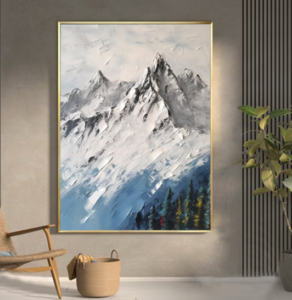
Discover 5 Signs Of A Masterful Abstract Oil Painting
An Abstract Oil Painting isn’t just color splashed on canvas. It’s texture, rhythm, emotion, and guts all rolled into oil paint. When you break down abstract, oil, and painting, you start to see how each part plays its role. Here’s how to tell if that abstract oil artwork in front of you is the real deal.
Impasto Mastery with Textural Elements
A serious Abstract Oil Painting often begins with fearless impasto technique.
- Surface Build-Up
- Thick layering
- Heavy thick paint application creates real surface texture
- Knife strokes add sharp ridges
- Dry-over-wet blending
- Adds dimensional quality
- Builds a raw tactile experience
- Thick layering
- Physical Impact
- Light interaction
- Raised paint shifts shadows
- Boosts visceral impact
- Viewing distance
- Up close: raw and gritty
- Far back: unified abstract oil composition
- Light interaction
Quick checklist:
- Paint stands off the canvas
- Texture feels intentional, not messy
- Layers show confidence
At Nuvia Art, this approach to abstract oil painting turns texture into attitude.
Vibrant Hues and Bold Contrasts on Canvas
Color drives every strong oil painting. In abstract art, tone balance isn’t random; it’s controlled fire.
Key visual factors:
- Strategic color palette
- High vibrant colors
- Intentional bold contrasts
- Balanced color harmony
- Controlled chromatic intensity
Below is a simplified evaluation table often used in gallery assessments:
| Artwork Type | Avg. Hue Range (°) | Contrast Ratio | Viewer Engagement (%) | Color Layer Count | Market Growth 2025 (%) |
|---|---|---|---|---|---|
| Entry Abstract Art | 90–120 | 2:1 | 48 | 3–5 | 4.2 |
| Mid-Level Oil Painting | 120–180 | 3:1 | 63 | 5–8 | 6.8 |
| Masterful Abstract Oil Painting | 180–260 | 4:1+ | 81 | 8–15 | 9.5 |
| Contemporary Abstract | 140–200 | 3.5:1 | 72 | 6–10 | 8.1 |
| Museum-Grade Oil Art | 200–300 | 5:1 | 88 | 12–20 | 10.3 |
Strong abstract oil painting feels alive. The visual energy pulls you in, then steadies you.
Organic Shapes Conveying Emotional Expression
Emotion lives in organic forms.
- Shape Language
- Loose fluid shapes
- Curve and drift
- Resist symmetry
- Broken expressive lines
- Fast strokes
- Sudden stops
- Loose fluid shapes
- Emotional Core
- Layered washes
- Build emotional resonance
- Add psychological depth
- Open spacing
- Encourages intuitive composition
- Layered washes
You don’t decode it. You feel it. That’s the power of abstract oil art done right.
Geometric Forms Reflecting Abstract Expressionism
When structure enters an Abstract Oil Painting, things tighten up.
- Establish dominant geometric shapes.
- Arrange them into a structured composition.
- Adjust spatial relationships to control balance.
- Introduce asymmetry for visual rhythm.
- Step back and test for intellectual engagement.
Abstract expressionism thrives on tension between order and freedom. A sharp square beside a wild oil-painted stroke? That clash is the magic.
Signature Touches by Renowned Artists
True mastery shows in the details.
- Clear artist’s signature placement
- Consistent unique style across works
- Strong, repeatable artistic vision
Short observations:
Hand pressure differs.
Edges feel intentional.
Layer transitions stay clean.
Collectors notice these handcrafted details. That’s what separates decorative abstract wall art from serious original artwork with lasting artistic legacy.
“The global fine art market showed measurable resilience in 2024, with post-war and contemporary categories leading recovery growth,” noted the Art Basel & UBS Art Market Report 2025, highlighting sustained demand for high-quality abstract oil works.
Brands like Nuvia Art focus on this level of distinction—creating abstract oil painting collections that hold visual punch today and cultural weight tomorrow.
3 Key Materials For Abstract Oil Painting
Abstract Oil Painting is not just about wild strokes and bold emotion. The magic really starts with materials. When abstract, oil, and painting come together, the right surface, color, and layering tools shape the entire vibe of your abstract art.
Premium Oil on Canvas and Proper Priming
For lasting Abstract Oil Painting results, your foundation matters more than most beginners think.
- Surface Choices
- Canvas
- Stretched Canvas
- Ready to hang
- Ideal for large abstract oil painting formats
- Canvas Panel
- Compact
- Great for practice runs
- Surface stability affects how Oil Paint settles and ages
- Canvas
- Surface Preparation
- Priming
- Apply Gesso
- Seals fibers
- Prevents oil absorption
- Light sanding between coats improves adhesion
- Priming
When Canvas is properly sealed, your abstract oil work resists cracking and discoloration. At Nuvia Art, every Stretched Canvas is carefully primed so the Oil Paint grips evenly, even under heavy impasto.
High-Quality Pigments for Vibrant Hues
Color drives emotion in Abstract Oil Painting.
- Pigment Quality
- Professional Pigments
- Higher Saturation
- Stronger Vibrancy
- Tested Lightfastness
- Maintains Hue
- Reduces fading
- Professional Pigments
- Color Behavior
- Earth tones create grounded abstract art
- High-contrast Color builds tension
- Balanced Oil Paint mixtures prevent muddiness
In expressive oil painting, cheap materials flatten energy. Nuvia Art selects high-grade Pigments so each abstract composition keeps its punch for years.
Versatile Mediums and Solvents for Layering
Layering defines depth in Abstract Oil Painting.
- Core Additives
- Mediums
- Linseed Oil
- Enhances gloss
- Extends Drying Time
- Solvents
- Turpentine
- Thins Oil Paint
- Supports early blocking
- Mediums
- Layering Techniques
- Start lean
- Build gradual Glazing
- Finish with bold Impasto highlights
- Creative Control
- Adjust texture
- Shift tonal transitions
- Refine abstract oil painting movement
Thoughtful use of Layering Techniques keeps abstract oil surfaces dynamic, not chaotic. That’s how Abstract Oil Painting turns raw emotion into controlled power.
Can You Spot A Fake Oil Painting?
An Abstract Oil Painting can look stunning at first glance, but looks can fool you. When shopping for abstract art, abstract canvas art, or a bold oil painting for sale, small details separate a real Abstract Oil Painting from a clever copy. Let’s break it down in a practical way.
Scrutinizing Brushwork vs. Palette Knife Marks
When judging an Abstract Oil Painting, surface detail tells the real story.
- Texture & Application Technique
- Brushstrokes
- Check direction changes.
- Look for pressure variation.
- Spot rhythm from the artist’s hand.
- Palette Knife
- Raised impasto edges.
- Uneven paint layers.
- Natural drag marks.
- Brushstrokes
- Mechanical Red Flags
- Repeated texture patterns.
- Flat pigment spread with no depth.
- Printed dots under magnification.
Authentic abstract oil works show energy. A reproduced Abstract Oil Painting often feels stiff, like it’s trying too hard.
Checking Earthy Tones for Natural Aging
Color maturity in an Abstract Oil Painting depends on real chemical change, not fake cracks.
| Factor | Natural Range (Years 10–30) | Suspicious Signs |
|---|---|---|
| Oxidation Level | 5–15% pigment shift | Uniform dark film |
| Patina Depth | 0.2–0.5 mm varnish tone | Even brown coating |
| Natural Degradation | Slight edge fading | Artificial crack grids |
Key things to notice:
- Subtle shifts in earthy hues
- Soft blending within the color palette
- Uneven pigments reacting to air
Real aging breathes. Fake aging shouts.
Verifying Provenance of Emerging Artist Pieces
An Abstract Oil Painting gains value through traceable history.
- Identity Check
- Confirm artist’s signature
- Match stroke style.
- Inspect ink aging.
- Review artist’s biography.
- Confirm artist’s signature
- Paper Trail
- Validate documentation
- Certificates.
- Sales invoices.
- Cross-check gallery records.
- Track ownership history.
- Validate documentation
- Public Presence
- Confirm exhibition history.
- Look for third-party authentication.
Brands like Nuvia Art emphasize transparent records when presenting abstract oil painting collections, helping buyers avoid messy surprises.
Using UV Light to Reveal Retouches
Grab a UV lamp and slow down.
- Darken the room.
- Shine light across the surface.
- Watch for fluorescence shifts.
Under UV examination:
- Fresh repairs glow differently.
- New varnish layers appear cloudy.
- Hidden restoration spots interrupt original underpainting.
- Surface inconsistencies pop out fast.
A genuine Abstract Oil Painting usually shows balanced fluorescence. Heavy patchwork suggests later fixes that may hurt value.
If you’re investing in abstract oil painting pieces, trust your eyes, ask questions, and stick with reputable sources such as Nuvia Art. A real abstract masterpiece always leaves honest evidence behind.
Avoid Buyer’s Remorse: Inspect Oil Painting Quality First
Buying an Abstract Oil Painting can feel exciting—and risky. A bold abstract piece might look stunning online, but up close, the real story sits in the canvas, oil layers, and finish. Before adding that abstract oil artwork to your cart, slow down and inspect the details that truly matter.
Canvas Integrity and Underlayer Inspection
When evaluating an Abstract Oil Painting, start with the basics:
- Check canvas condition for sagging
- Press gently on corners for structural stability
- Inspect edges for clean primer application
Then go deeper:
- Examine stretcher bars for warping
- Look for even underpainting layers
- Confirm overall material quality
| Factor | Ideal Range | Risk Indicator | Impact Level |
|---|---|---|---|
| Canvas tension | Tight, even | Loose center | High |
| Primer coats | 2–3 layers | Patchy base | Medium |
| Stretcher depth | ≥1.5 in | Thin frame | Medium |
| Surface cracks | None visible | Hairline splits | High |
A quality Abstract Oil Painting from Nuvia Art usually shows consistent priming and balanced oil absorption, which keeps the oil painting vibrant for years.
Png 4
Color Balance: Monochromatic vs. Cool Colors
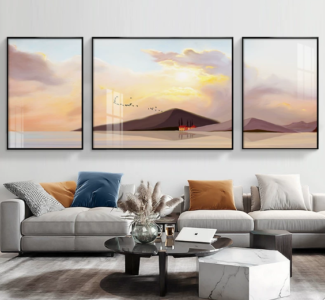
Color drives mood in abstract wall art.
- Color palette should match room tone
- Strong hue harmony prevents visual chaos
- Balanced saturation levels avoid glare
Break it down:
- Monochromatic style
- Stable tonal consistency
- Subtle value contrast
- Cool colors
- Softer color temperature
- Calm visual rhythm
An abstract oil piece with smart balance feels intentional, not loud for no reason.
Surface Texture: Impasto and Conceptual Ideas
Texture tells you if the artist meant it.
Look at:
- Paint thickness
- Clear brushstroke visibility
- Real surface relief
Authentic impasto gives sculptural quality and real visual depth. Run your eyes across the canvas; the tactile elements should feel planned, not messy. A thoughtful abstract canvas painting carries concept through layers, not random blobs.
Display Context Suitability for Gallery Wall or Living Room
Placement can make or break your Abstract Oil Painting.
Consider:
- Artwork scale vs wall size
- Room lighting conditions
- Overall room aesthetics
Then refine:
- Gallery wall
- Medium visual impact
- Flexible framing options
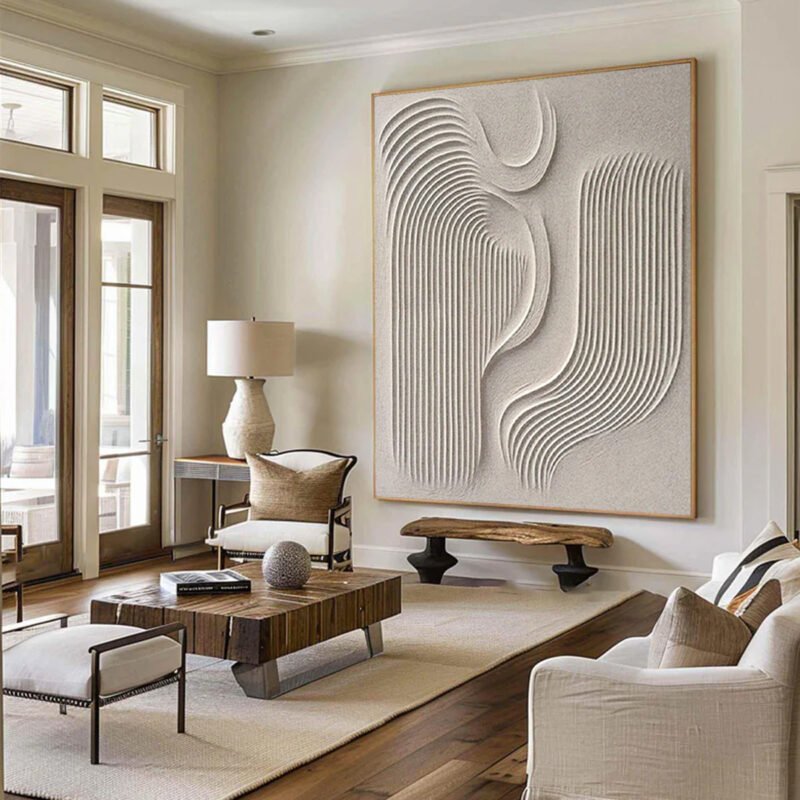
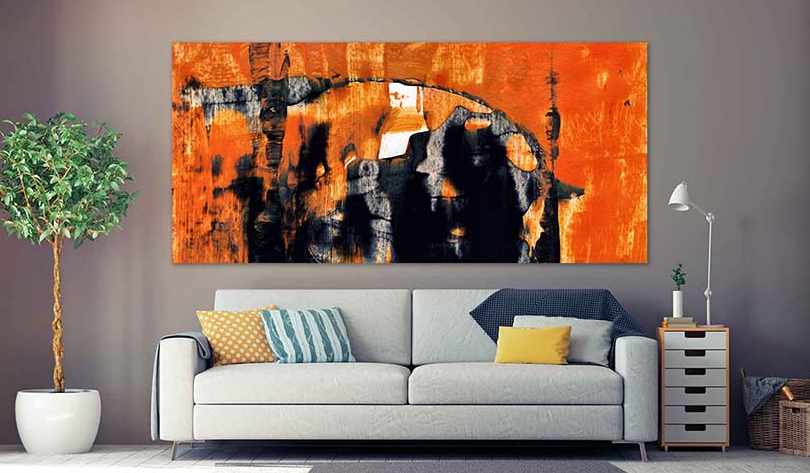
- Living room focal point
- Large artwork scale
- Strong interior design anchor
Brands like Nuvia Art often provide sizing guidance so your abstract oil artwork fits naturally. A well-chosen Abstract Oil Painting should elevate the space, not overpower it.
FAQs about Abstract Oil Painting
What defines a truly masterful Abstract Oil Painting?
A powerful Abstract Oil Painting feels alive the moment it faces you.
1) Technique
- Confident Impasto and fearless Brushwork create tactile energy.
- Intentional Layering in Oil on Canvas reveals depth, not decoration.
2) Visual language
- A dialogue between Geometric Forms and Organic Shapes.
- Striking Vibrant Hues or restrained Monochromatic fields shaped by Bold Contrasts.
3) Artistic voice
- Clear roots in Abstract Expressionism, Cubism, or Minimalism—yet unmistakably personal.
- The hand of an Established Artist or daring Emerging Artist is visible in every gesture.
It does not just match a wall; it holds emotional weight and sustained Emotional Expression.
How do color palette and size influence display impact?
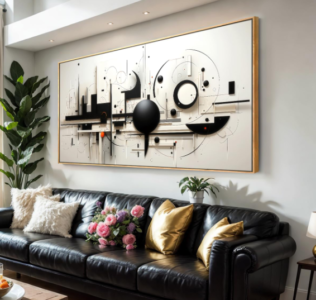
Scale and color decide how the work breathes in a room.
• In a Living Room or on a Gallery Wall
- Large Format or Panoramic pieces become the natural Focal Point.
- Vibrant Hues ignite conversation; Earthy Tones ground the space.
• In an Office Space or Bedroom Decor
- Cool Colors or Pastel Shades calm the mind.
- Vertical or Square formats suit tighter layouts.
Short guide:
- High energy → Bold Contrasts + Horizontal spread
- Quiet reflection → Monochromatic + Small Scale
Great placement aligns the painting’s mood with the rhythm of your Interior Design.
Png 3
How can I assess authenticity and artistic integrity before buying?
Trust your eye, then confirm the facts.
① Surface check
- Natural Palette Knife marks and varied Textural Elements.
- Subtle aging in Oil on Canvas, not flat mechanical prints.
② Concept & style
- Clear intent: Non-representational yet rich in Conceptual Ideas.
- Coherent links to Modern Art, Surrealism, or Contemporary Art traditions.
③ Artist background
- Documented history from a Local Artist, International Artist, or Renowned Artist.
- Exhibition records strengthen trust.
An authentic work carries human tension—decisions, revisions, courage—etched into every layer of paint.