Freeze that gummy grin before it grows up—Baby Portrait Oil Painting turns fleeting giggles into forever art with heart and a hint of mischief.
A Baby Portrait Oil Painting isn’t just wall décor—it’s your baby’s gummy grin frozen in time, the kind that melts you at 2 a.m. when the house is quiet. Kids grow faster than weeds after spring rain. One minute it’s swaddles and lullabies, the next it’s backpacks and eye-rolls. A portrait turns that blink-and-you-miss-it season into something you can actually hold onto.
“Early childhood moments shape lifelong bonds,” notes the American Academy of Pediatrics.
Photos live on phones. Paint lives on walls—thick brushstrokes, soft pastels, a heartbeat in canvas. This is about legacy, not snapshots.
Quick Notes: Baby Portrait Oil Painting Essentials
➔ Realistic Style: Emphasize photorealistic detail, soft pastel tones, and lifelike expressions.
➔ Materials & Mediums: Choose oil on canvas for rich blending or acrylic for durability; pick the right canvas size and color palette.
➔ Protection & Framing: Apply UV-resistant varnish in thin layers and select between gallery-wrapped canvas or an heirloom frame.
Png 2
Why Choose Baby Portrait Oil Painting
A Baby Portrait Oil Painting isn’t just wall art. It’s your baby’s tiny grin, soft cheeks, and curious eyes saved in real paint. From baby portrait details to oil painting texture, this keepsake grows more meaningful every year.
Realistic portrait capturing your little one’s expression
When creating a Baby Portrait Oil Painting, realism matters because your child’s look changes fast.
- At the core of a baby portrait:
- Expression focus
- subtle smile lines
- eye sparkle highlights
- Pose accuracy
- natural hand curl
- relaxed infant posture
- Feature detailing
- soft lashes
- rounded cheeks
- Expression focus
- In the oil painting process:
- Study the child’s expression in reference photos
- Build tonal layers for realistic depiction
- Refine skin depth for true lifelike art
A well-made custom portrait carries heirloom quality, turning a simple baby oil painting into something your family keeps forever. That’s the heart behind every Baby Portrait Oil Painting created at Nuvia Art.
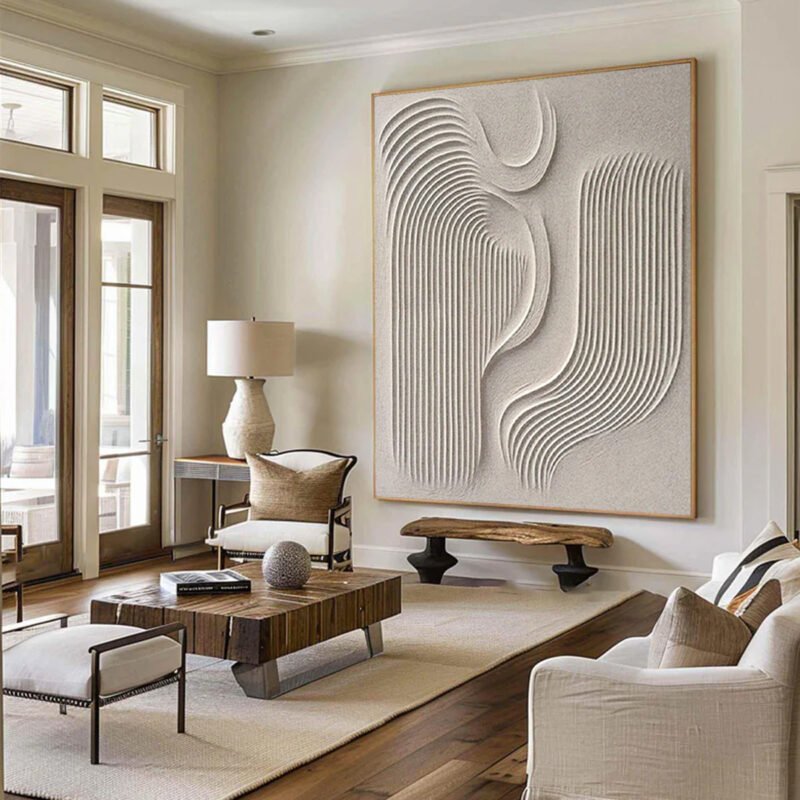
Timeless appeal of oil on canvas for nursery décor
An oil on canvas piece feels solid and lasting.
- As nursery décor, it works because:
- texture adds warmth
- brushwork softens the room
- scale fits above crib or dresser
- Style impact:
- Classic touch → timeless art vibe
- Soft edges → calming baby’s room mood
- Deep pigments → lasting beauty on your wall
This classic painting style turns a Baby Portrait Oil Painting into meaningful wall art, not just decoration.
Soft pastel colors ensuring naturalistic skin tone accuracy
Color makes or breaks a Baby Portrait Oil Painting.
- Palette choices:
- pastel colors for softness
- balanced naturalistic hues
- warm undertones for baby’s complexion
- Artist approach:
- Test base layers
- Adjust for skin tone accuracy
- Blend gently for clean color fidelity
The result? Gentle tones that feel real, never flat.
Gallery wrapped or ornate frame to showcase your keepsake
Display shapes the final vibe of your Baby Portrait Oil Painting.
- Framing options:
- gallery wrap
- clean edges
- modern art display
- ornate frame
- carved detail
- heirloom-style keepsake presentation
- gallery wrap
- Finish checklist:
- Seal the finished artwork
- Align frame depth
- Ensure it’s fully display ready
At Nuvia Art, every baby portrait oil painting arrives ready to hang, turning your baby portrait into a lasting oil painting memory you’ll smile at every single day.
3 Steps: Commissioning A Custom Baby Portrait
A custom Baby Portrait Oil Painting is more than wall décor; it’s that soft “aww” moment frozen in oil and canvas. From choosing an artistic style to refining the final frame, every call shapes how your baby portrait, oil painting, and color story come together. Let’s break it down in a clear, friendly way.
Step 1: Selecting your painting style from classical portraiture to modern abstract
When planning a Baby Portrait Oil Painting, style drives the emotional pull and long-term vibe.
- Artistic style
- Classical portraiture
- Focus on lifelike detail
- Balanced visual aesthetic
- Gentle, natural light for authentic baby portrait oil painting results
- Modern abstract
- Bold brushwork
- Expressive artistic interpretation
- Creative shapes that turn a baby oil portrait into statement art
- Classical portraiture
- Painterly approach
- Realistic portrait for soft skin tones
- Impressionistic strokes for warmth
- Hybrid approach blending oil painting texture with a fresh baby portrait feel
At Nuvia Art, families often match the visual aesthetic to nursery décor, making the Baby Portrait Oil Painting feel right at home.
Step 2: Choosing canvas size, from small format to custom dimensions
Size affects presence. A Baby Portrait Oil Painting in small format feels intimate, while larger canvas size options command attention.
- Artwork scale
- Small: ideal for shelves
- Medium: balanced compositional balance over cribs
- Large: bold centerpieces
- Custom dimensions
- Measure display space
- Factor in framing considerations
- Align proportions with baby portrait oil painting detail
The right oil painting scale keeps your baby portrait crisp without crowding the room.
Step 3: Finalizing color palette and framing options for expressive rendering
Color sets the mood of a Baby Portrait Oil Painting.
- Color palette
- Soft pastels for calm nurseries
- Warm tones for cozy vibes
- Monochrome for modern edge and tight color harmony
- Framing options
- Gallery wrap for clean lines
- Minimal wood frame style
- Custom frame boosting visual impact
Smart hue selection shapes the artistic mood, while thoughtful framing elevates expressive rendering. With careful tweaks, your baby oil portrait transforms into a lasting Baby Portrait Oil Painting that feels personal, heartfelt, and totally yours.
Materials And Mediums Explained
A heartfelt Baby Portrait Oil Painting starts long before the brush hits the surface. Choosing the right medium shapes skin tone softness, light glow, and emotional warmth. From classic oil paint to layered mixed approaches, every material choice affects how a baby portrait, infant portrait art piece, or custom baby oil portrait truly feels.
Oil on canvas versus acrylic painting performance
When planning a Baby Portrait Oil Painting, material performance drives the final mood.
- Surface & Base
- Canvas surface
- Cotton canvas: flexible, subtle texture
- Linen canvas: tighter weave, smoother blending
- Priming impact
- Absorbency control
- Long-term durability
- Canvas surface
- Paint Behavior
- Oil paint
- Extended drying time
- Allows gentle blending of cheeks
- Smooth transitions in baby skin
- Deep color vibrancy
- Rich shadows
- Warm highlights
- Acrylic paint
- Fast drying time
- Efficient layering
- Cleaner edges
- Strong flexibility
- Crack resistance
- Stable finish
- Oil paint
For collectors investing in a Baby Portrait Oil Painting, oil often wins for softness and glow. Acrylic suits faster delivery and modern interiors. At Nuvia Art, artists guide families toward the medium that best protects both tone and texture.
Watercolor technique blending with pastel drawing accents
A lighter approach can shift the emotional tone of a Baby Portrait Oil Painting, even when oil remains the final medium.
- Foundation Layer
- Watercolor paint
- Transparent washes
- Gentle layering
- Paper texture
- Cold press: visible grain
- Hot press: smoother blends
- Watercolor paint
- Accent & Definition
- Pastel sticks
- Soft blush tones
- Hair highlights
- Refined drawing technique
- Controlled detail application
- Delicate color blending
- Pastel sticks
Below is a comparison of material interaction in infant portrait art:
| Material Type | Drying Speed | Texture Impact | Color Depth Level | Ideal Use in Baby Portrait |
|---|---|---|---|---|
| Watercolor paint | Fast | Light paper grain | Soft | Background glow |
| Pastel sticks | Instant | Powdery surface | Medium | Facial warmth |
| Oil paint | Slow | Rich canvas body | High | Final skin rendering |
| Acrylic paint | Fast | Smooth plastic film | Medium-High | Base structure |
Many artists sketch with watercolor before completing a Baby Portrait Oil Painting, creating airy depth that feels fresh and natural.
Mixed media benefits in figurative art composition
A Baby Portrait Oil Painting becomes more expressive when mixed media is thoughtfully applied.
- Key advantages:
- Enhanced texture variation
- Stronger visual interest
- Expanded artistic expression
In figurative art, combining oil underpainting with pastel highlights sharpens compositional elements like focal points and light direction. Some artists integrate charcoal for outline strength before oil layers seal everything together. This type of medium integration gives a baby oil portrait subtle movement, almost like the child might blink at any second.
Studios like Nuvia Art use mixed approaches carefully, ensuring the Baby Portrait Oil Painting still feels unified rather than busy. The goal is harmony, not clutter.
Maximizing brushwork quality for anatomical accuracy
In a Baby Portrait Oil Painting, technique shows in the smallest details.
- Brush Strokes Control
- Short strokes
- Smooth form rendering on cheeks
- Natural texture simulation for baby hair
- Feathered strokes
- Soft light and shadow transitions
- Short strokes
- Precision in Structure
- Focus on anatomical detail
- Eye spacing
- Nose proportion
- Lip curvature
- Steady hand control
- Balanced highlights
- Clean contour edges
- Focus on anatomical detail
Accurate brush handling keeps the infant’s face believable. A slight shift in shadow can change the entire mood of a baby portrait. Skilled artists refine every mark so the finished Baby Portrait Oil Painting feels alive, tender, and deeply personal.
Screenshot 2026 04 15 101718 832
Avoid Fading: Protective Varnish Tips
A Baby Portrait Oil Painting holds soft skin tones, tiny lashes, and glowing color that parents never want to see fade. Protecting a baby portrait oil piece is not fancy talk—it’s basic care. From smart varnish choices to simple cleaning habits, every baby oil painting deserves protection that keeps the portrait, the oil layers, and the painting vibrant for years.
Choosing UV-resistant varnish to protect vibrant hues
Protecting a Baby Portrait Oil Painting starts with smart varnish selection. The goal is simple: guard those vibrant hues and maintain long-term color preservation.
- Understanding UV-resistant varnish
- What it does
- Blocks harmful light exposure
- Improves lightfastness
- Supports long-term pigment stability
- Why it matters for baby portrait oil work
- Baby skin tones fade fast under sunlight
- Soft pinks and creams shift without proper art protection
- What it does
- Selecting the right finish for oil painting
- Gloss
- Deepens contrast
- Boosts richness in a Baby Portrait Oil Painting
- Satin
- Reduces glare
- Keeps natural softness in a baby oil painting
- Matte
- Subtle finish
- Works well for modern nursery lighting
- Gloss
“Global demand for UV-protective coatings in fine art conservation continues to rise as collectors prioritize light stability and archival durability,” noted a 2025 Art Basel & UBS Global Art Market Report, reflecting stronger awareness around preservation standards.
- Application timing
- Wait until the oil painting is fully cured
- Test a corner before full coverage
- Apply in a dust-free space
The right UV-resistant varnish keeps a Baby Portrait Oil Painting glowing, not dull.
Applying thin protective coats for photorealistic detail
A Baby Portrait Oil Painting thrives on subtle transitions—tiny shadows under the chin, the soft curve of cheeks. Heavy varnish ruins that vibe.
Start light. Use thin coats and focus on even coverage. A soft brush helps maintain surface texture, especially in delicate baby portrait oil areas like hair wisps and eyelids.
Quick checklist:
- Use a clean, wide brush
- Avoid overloading with oil medium
- Keep strokes consistent
Then slow down.
- Stir the varnish gently.
- Lay a thin protective application across the canvas.
- Let it dry fully.
- Add a second light layer if needed.
This careful layering technique keeps photorealistic detail crisp. No yellow haze. No buried brushwork. A baby oil painting should still breathe through the surface, not sit under a thick plastic shine.
Thin protection equals long life for a Baby Portrait Oil Painting.
Maintenance advice for unframed canvas and simple modern frame surfaces
After varnishing, daily care matters. A Baby Portrait Oil Painting on unframed canvas needs slightly different handling than one in a modern frame.
- For unframed canvas
- Dust removal
- Use a dry microfiber cloth
- No water, no spray cleaners
- Handling tips
- Lift from both sides
- Avoid touching painted areas
- Storage conditions
- Keep away from direct sunlight
- Maintain stable humidity
- Dust removal
- For simple modern frame surfaces
- Surface cleaning
- Wipe frame edges gently
- Keep glass (if present) streak-free
- Wall placement
- Avoid vents and heaters
- Leave slight space from damp walls
- Surface cleaning
- Long-term care routine
- Check varnish clarity yearly
- Reapply protective coat after visible wear
- Rotate wall art if room gets strong daylight
A well-maintained Baby Portrait Oil Painting—your baby portrait oil treasure—stays bright, balanced, and emotionally powerful. A little maintenance now saves a lot of heartache later.
FAQs about Baby Portrait Oil Painting
What makes a Baby Portrait Oil Painting a timeless keepsake?
A Baby Portrait Oil Painting carries emotional weight because it preserves a fleeting moment—the softness of a baby’s expression, the curve of an infant’s pose, the innocence in child’s features.
- Medium matters: Oil on canvas allows slow, patient color blending and refined brushwork quality, achieving photorealistic detail and luminous skin tone accuracy.
- Artistic roots: Influences from classical portraiture and renaissance influence add depth, dignity, and lasting appeal.
- Color emotion: Soft pastel colors or warm tones enhance naturalistic colors, keeping the mood tender rather than overpowering.
The result feels alive—an heirloom shaped by expressive rendering and strong composition strength.
How do I choose the right painting style for my baby’s portrait?
Selecting a style shapes how your child is remembered.
- Realistic portrait: Focuses on anatomical accuracy and precise clothing details—ideal for capturing subtle background elements and true likeness.
- Impressionistic style: Gentle brushwork, cool shades or vibrant hues, emphasizing mood over detail.
- Modern abstract or figurative art: Highlights emotion and movement, often simplifying features for dramatic impact.
If you value depth and tradition, oil on canvas offers softness and layered blending. Acrylic painting feels brighter and quicker in tone. Your choice reflects the feeling you want to hold onto each time you see the painting.
Screenshot 2026 04 15 101631 848
What size and framing options work best for display?
The scale and frame shape the presence of the artwork in your home.
- Small format: Intimate and quiet—perfect for nurseries.
- Medium canvas: Balanced for everyday family spaces.
- Large scale or custom dimensions: A bold tribute, turning a single infant’s pose into the heart of a room.
Framing adds the final voice:
- Gallery wrapped for a clean, modern edge.
- Ornate frame for heirloom elegance.
- Simple modern frame or custom framing to match your décor.
Together, size, framing, and color palette create not just décor—but a living memory on the wall.