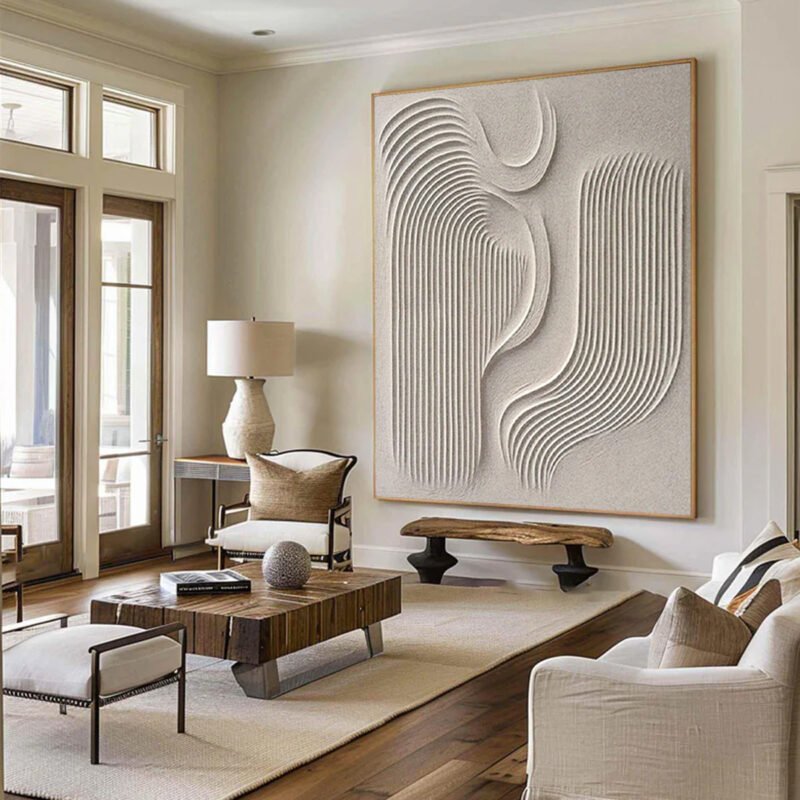
Buying feels risky until you find Handmade Canvas Art that breathes. Skip bland prints—choose a piece with pulse, story, and attitude.
Buying Handmade Canvas Art can feel like standing at the edge of a pool, toes curled, wondering if the water’s worth the jump. Big stores shout bargains. Online ads blink for attention. Yet something feels off—like wearing a suit that fits on paper but never quite sits right. Deep down, the itch isn’t for wall filler; it’s for a piece with a pulse.
Picture a quiet Saturday, coffee cooling on the table, eyes drifting to a canvas that carries brush marks, pauses, even tiny mistakes. That’s the tension right there. Prints behave. Originals talk back. New buyers often wrestle with size, color, care, and cost, afraid of picking “wrong” and living with it every day.
This guide cuts through that noise. Short, sharp tips. Real-world cues. No gallery snobbery. Stick around, and the fog lifts—art buying turns from a gamble into a story you actually want to tell.
Why Choose Handmade Canvas Art Over Prints?
Handmade Canvas Art sounds simple, yet it carries weight. When you break it down—handmade, canvas, art—each word adds something real. People want walls that feel alive, not flat. That’s why Handmade Canvas Art keeps winning hearts over basic decor.
Handmade canvas art
When choosing Handmade Canvas Art, the difference shows up fast:
- Originality and Craft
- Originality
- Each handmade canvas piece is one-of-a-kind.
- No two brush strokes repeat the same rhythm.
- Craftsmanship
- Built layer by layer using oil or acrylic.
- Visible texture adds depth you can actually see.
- Originality
- Material and Surface
- Texture
- Thick paint, raised details, real shadows.
- That subtle uneven finish? That’s human touch.
- Authenticity
- No digital filters.
- Just pigment, canvas, and time.
- Texture
- Long-Term Value
- Artistic value grows with story and connection.
- Many buyers see it as an Investment, not just wall fill.
- A hand painted canvas art piece from Nuvia Art feels personal, not mass shipped.
At Nuvia Art, every Handmade Canvas Art work is built to hold emotion. It’s Unique, bold, and proudly human. That’s the vibe people want in 2026.
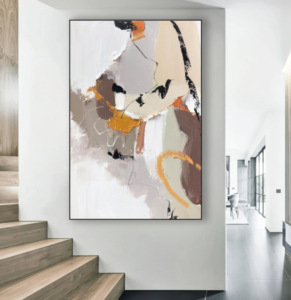
Screenshot 2026 04 10 173500 718
Prints
Prints have their place, sure. But here’s the breakdown:
- Production Style
- Reproductions created through Digital reproduction
- Often Mass-produced for large batches
- Designed for Consistency, not individuality
- Practical Benefits
- Strong Affordability
- Easy Accessibility online
- Predictable sizing and color output
- Limitations
- Limited texture
- Flat surfaces without real layering
- Less emotional pull compared to Handmade Canvas Art
If you want something quick and budget-friendly, prints work. If you want wall art canvas with soul, texture, and lasting Authenticity, Handmade Canvas Art from Nuvia Art simply hits different.
5 Steps to Picking Your First Canvas Painting
Choosing your first Handmade Canvas Art piece can feel exciting and a little overwhelming. There’s style, size, color, and vibe to think about. This guide keeps it simple, real, and helpful so your canvas art actually feels like you.
Step 1: Identify Your Ideal Art Style (impressionism to minimalist)
Your art style sets the whole mood. When browsing Handmade Canvas Art, narrow it down like this:
- Classic Influences
- Impressionism – soft strokes, shifting light, relaxed energy.
- Realism – lifelike detail, steady and grounded.
- Bold Statements
- Abstract – emotion-driven, open to interpretation.
- Expressionism – raw feeling, dramatic color shifts.
- Dream & Edge
- Surrealism – imaginative scenes, unexpected twists.
- Minimalist – clean lines, breathing room.
If your space is calm and tidy, minimalist or realism may click. If you love creative chaos, abstract or expressionism might feel right. The right canvas art should match your everyday rhythm, not fight it.
Step 2: Choose the Right Art Medium (oil paint, acrylic, mixed media)
The art medium changes how your Handmade Canvas Art looks and lasts.
- Oil paint
- Deep blending
- Rich shine
- Classic gallery feel
- Acrylic paint
- Fast-drying
- Bright tones
- Crisp finish
- Mixed media
- Layered texture
- Added materials
- Extra personality
You might also spot watercolor, gouache, or even digital art transferred onto canvas. If you like texture you can almost feel, oil or mixed media works great. For clean color blocks in modern homes, acrylic paint often wins.
Step 3: Select Subject Matter That Speaks to You (landscape, abstract, portrait)
The subject matter makes your Handmade Canvas Art personal.
- Love travel?
- Landscape
- Cityscape
- Drawn to people and stories?
- Portraiture
- Figurative art
- Prefer mood over detail?
- Abstract art
- Still life
A calm landscape above the sofa can soften a busy day. A bold abstract canvas art piece in the hallway sparks conversation. Go with what makes you pause for a second longer—that’s usually your answer.
Step 4: Evaluate Canvas Features (stretched, gallery wrapped, ready to hang)
Details matter more than most expect.
- Canvas features to check:
- Stretched canvas for a tight, smooth surface.
- Gallery wrap edges for a clean, frameless look.
- Ready to hang hardware to skip extra work.
Then consider:
- Canvas texture – smooth vs. heavily textured.
- Canvas size – small accent or oversized statement.
- Frame type – floating frame for a modern edge or no frame for simplicity.
Brands like Nuvia Art focus on ready-to-hang Handmade Canvas Art, which makes setup quick and stress-free. That little convenience goes a long way.
Step 5: Match Color Palette to Your Room Placement (earth tones for living room art)
Color pulls everything together.
- For cozy spaces:
- Earth tones
- Warm neutral colors
- For work zones:
- Sharp contrasts
- Controlled bold colors
- For relaxed rooms:
- Soft accent colors
- Muted blends
Think about room placement before buying. Living room art often works best in balanced tones that won’t overwhelm guests. A bedroom can handle softer shades. An office might benefit from confident, energetic hues.
When your color palette aligns with furniture and lighting, your Handmade Canvas Art doesn’t just hang there—it belongs. And when it feels right, you’ll know.
Can You Clean Handmade Canvas Art Easily?
Handmade Canvas Art adds soul to a room, but dust and stains sneak in over time. If you own canvas art, handmade art, or custom canvas wall decor, a little care keeps it fresh. Let’s talk about cleaning your Handmade Canvas Art the smart way.
Dry dusting techniques for textured surfaces
When caring for Handmade Canvas Art, dry cleaning is your safest bet. Textured canvas and heavy brushwork trap dust easily, so surface care matters.
- Tools for safe dust removal
- Use a soft brush with flexible bristles
- A clean microfiber cloth works for light buildup
- Avoid rough fabrics that scrape textured canvas
- How to handle textured canvas
- Follow the direction of paint ridges with gentle strokes
- Support the back of the canvas art while wiping
- Keep pressure light to protect layered paint
- Maintenance rhythm
- Light dusting every 2–4 weeks
- Extra care for high-traffic rooms
- Check corners of gallery wrap edges
“Global demand for handmade and textured wall art continues to grow as consumers prioritize craftsmanship and longevity in home décor,” noted a 2025 Statista home décor outlook, highlighting the rising value placed on proper art care.
Collectors who invest in Handmade Canvas Art from brands like Nuvia Art often find that simple, regular dust removal keeps the paint surface crisp for years.
Spot cleaning acrylic and oil paint works
Stains on Handmade Canvas Art can feel scary, but slow and steady wins here.
- Assess the paint surface
- Identify if it’s acrylic paint or oil paint
- Check for cracks or lifted pigment
- Test a tiny corner before full cleaning
- Cleaning method hierarchy
- Start with a slightly damp cloth (barely moist)
- For stubborn spots, use a diluted mild soap solution
- Apply with a cotton swab for precise stain removal
- Important cautions
- Never soak the canvas
- Avoid alcohol or harsh chemicals
- Pat dry gently—no rubbing
Acrylic paint tends to resist light moisture better than oil paint, but both need careful art cleaning. Handmade wall art deserves patience, not panic.
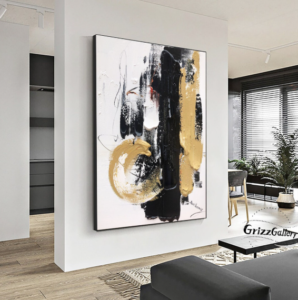
Screenshot 2026 04 10 173406 545
Avoiding moisture damage on gallery wrapped pieces
Gallery wrap styles look sleek, yet moisture is their biggest enemy. Protecting Handmade Canvas Art means thinking beyond the paint.
- Environmental control
- Maintain steady humidity control (around 40–55%)
- Ensure proper ventilation in display areas
- Keep away from kitchens and bathrooms
- Placement strategy
- Avoid direct sunlight to reduce heat buildup
- Don’t hang above radiators
- Leave slight space between wall and gallery wrap
- Cleaning product awareness
- Skip heavy water-based cleaners
- Keep sprays away from canvas protection zones
- Wipe frames separately from fabric
Moisture damage can warp stretcher bars and loosen paint layers fast. High-quality Handmade Canvas Art, especially curated collections from Nuvia Art, is crafted for durability—but smart placement keeps it looking sharp. Treat your canvas art right, and it’ll keep your walls talking for years.
FAQs about Handmade Canvas Art
What makes Handmade Canvas Art more valuable than prints?
Handmade Canvas Art carries the pulse of the artist’s hand.
- Visible brushwork and impasto create a textured surface you can almost feel.
- Oil paint offers deep glazing and slow emotional blending.
- Acrylic paint captures bold colors with sharp layering.
On a stretched canvas or gallery wrapped piece, every stroke is singular. A print may echo the image, yet it cannot echo the tension, pressure, or pause behind each mark. Originals breathe; reproductions simply repeat.
How do I choose the right style and subject for my space?
Start with emotion, then refine with structure:
- Calm and light → impressionism seascape or pastel shades in bedroom decor.
- Focus and strength → realism portrait or figurative office art with monochromatic tones.
- Energy and edge → abstract or expressionism in vibrant colors for living room art.
- Quiet control → minimalist still life with earth tones for dining room or hallway art.
The right subject—cityscape, landscape, or abstract—should mirror your inner climate, not just your sofa.
What should I check before buying Handmade Canvas Art online?
A quick human checklist:
- ✓ Medium: oil paint, acrylic paint, mixed media, watercolor, gouache, or ink
- ✓ Surface: stretched canvas, gallery wrapped, or unframed
- ✓ Finish: ready to hang or requires framing
- ✓ Technique: palette knife texture, glazing depth, expressive layering
These details reveal authenticity. A true contemporary art or modern art piece shows intention in every technical choice.
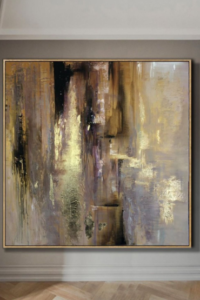
Screenshot 2026 04 10 173322 173
How do I match color palette and technique to my room?
Color carries mood; technique carries movement.
| Room Placement | Suggested Palette | Technique Focus |
|---|---|---|
| Living room art | Vibrant colors, bold colors | Impasto, palette knife |
| Bedroom decor | Pastel shades, monochromatic | Soft brushwork, glazing |
| Office art | Earth tones | Controlled layering |
| Hallway art | Contrast tones | Mixed media accents |
When color palette and technique align, the artwork stops being decoration. It becomes presence.